Prioritising Home and Urban Farming: A Practical Path to Food Security under Feed Ghana
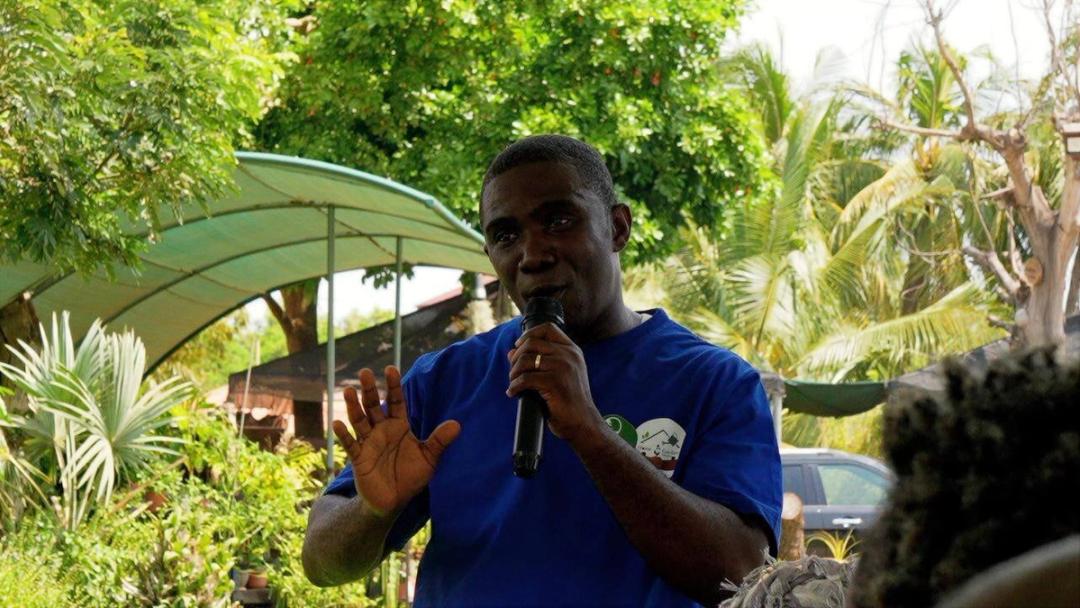
As Ghana advances the Feed Ghana Project to strengthen national food security, one critical component deserves urgent prioritisation: the Home and Urban Farming Initiative. Dr. Frank Kwekucher Ackah, popularly known as “The Gardener,” is a crop scientist, home gardening advocate, and the Executive Director of Garden For All (G4A). He is also the Founder of Home Gardening Ghana. Dr. Ackah is calling on the Minister of Food and Agriculture to implement the Home and Urban Farming Initiative this year, stressing that it offers immediate, low-cost, and high-impact benefits for households across the country.
Home and urban farming focuses on empowering households to grow food within their available spaces—backyards, balconies, containers, sacks, and community plots. Unlike large-scale agricultural interventions that require significant capital and long lead times, this initiative can be rolled out quickly with modest investment. Seeds, basic tools, training, and extension support are often all that is needed to get families started.
According to Dr. Ackah, the direct impact of home and urban farming on household nutrition, food access, and income resilience cannot be overstated. “When people grow even a portion of their own food, they reduce household food expenditure, improve diet diversity, and gain control over what goes into their meals,” he notes.
Dr. Ackah’s call is grounded in experience. Since 2020, The Gardener has been at the forefront of promoting home gardening in Ghana. He founded Home Gardening Ghana, a fast-growing Facebook community with over 307,000 members. The scale and engagement of this community, he argues, is clear proof that Ghanaians are ready and willing to embrace home and urban farming when given the right support and encouragement.
Beyond online advocacy, Garden For All has translated this interest into action through regional training workshops across the country. These hands-on sessions have equipped participants with practical skills in home gardening, composting, and sustainable food production. The results have been visible: households producing vegetables, communities sharing knowledge, and growing awareness of food safety and self-reliance. If a civil society organisation can achieve this level of impact with limited resources, Dr. Ackah believes that government backing could multiply the results nationwide.
Food safety is another major motivation behind the call. Increasing concerns over the excessive use of agrochemicals, the use of unsafe water for irrigation, and the destruction of arable land through illegal mining have raised questions about the safety of some food on the market. In this context, home-produced food offers reassurance. “The safest food is the one you produce yourself,” Dr. Ackah emphasises, pointing to the ability of households to control inputs and adopt safer, more sustainable practices.
Prioritising the Home and Urban Farming Initiative within the Feed Ghana Project would align strongly with broader national goals—job creation, youth and women empowerment, climate resilience, and public health. It would also complement, rather than compete with, commercial agriculture by easing pressure on food supply chains and markets.
Dr. Ackah, The Gardener, believes the time for action is now. The evidence is available, public interest is strong, and the cost of implementation is relatively low. By prioritising home and urban farming, government can empower households to grow their own food and take a decisive step toward a healthier, more resilient Ghana.