Why Are Some Guava Fruits Unwholesome? Understanding Guava Canker and How to Prevent It
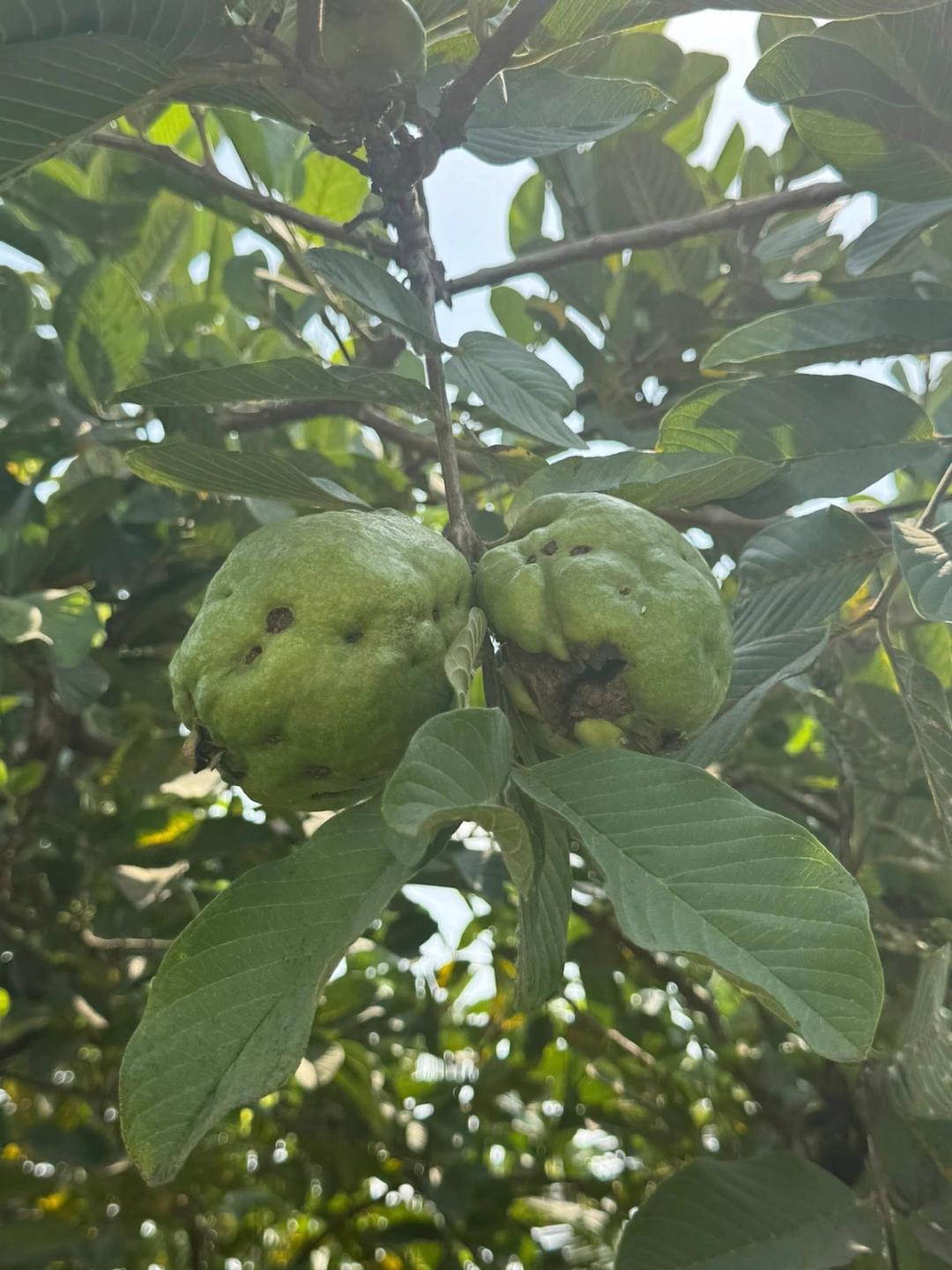
Many home gardeners get excited when their guava trees begin to flower and set fruit, only to be disappointed when some of the fruits turn out unwholesome, blemished, or rot before maturity. This concern was recently raised by Sally Kuukua Mbroh on the Home Gardening Ghana Facebook page, and it is a challenge many guava growers face.
According to Dr. Frank Kwekucher Ackah (The Gardener), the problem described is most likely Guava Canker Disease, a common fungal disease affecting guava trees, especially under humid conditions.
What Is Guava Canker Disease?
Guava canker disease is caused by a fungus known as Pestalotia psidii (also referred to as Pestalotiopsis psidii). The disease affects fruits, leaves, and sometimes young branches. Infected fruits often develop dark, sunken spots, cracks, or rot, making them unsuitable for consumption.
The fungus thrives in warm, humid environments, which are common in many parts of Ghana, especially during the rainy season. Once established, it can spread rapidly if not properly managed.
How the Disease Spreads
- High humidity and prolonged wet conditions
- Poor air circulation within the tree canopy
- Infected fruits left on the tree or on the ground
- Pruning tools that are not disinfected
Without intervention, the fungus can persist and recur from one fruiting season to another.
How to Prevent Recurrence of Guava Canker
Dr. Ackah recommends an integrated approach combining good garden hygiene, cultural practices, and safe chemical control.
1. Pruning and Sanitation
Regularly prune affected branches and remove infected fruits from the tree and the ground. This reduces the source of fungal spores and limits further spread. Always dispose of infected materials properly—do not compost them.
2. Improve Air Circulation
Prune to open up the canopy. Good airflow helps reduce humidity around the fruits and leaves, making conditions less favourable for fungal growth.
3. Fungicide Application
Spraying with fungicides is effective when done correctly and early. Recommended options include:
- Sulphur-based fungicides
- Copper-based fungicides
- 1% Bordeaux mixture
Apply according to recommended guidelines, especially during periods of high humidity or frequent rainfall.
4. Fruit Bagging
Bagging guava fruits at the early stage of fruit development is a very effective preventive method. It protects the fruits from fungal spores, insects, and physical damage while also improving fruit quality.
A Word to Home Gardeners
Guava canker disease can be managed successfully with timely action and consistent care. The key is early detection, cleanliness, and prevention, rather than waiting until the fruits are badly affected.
As Dr. Ackah often reminds gardeners: healthy plants start with good management practices. With the right steps, your guava tree can continue to reward you with healthy, wholesome fruits season after season.
Happy gardening 🌱